


Generative Engine Optimization (GEO) is the strategic shift from search visibility to AI citation. In 2026, success is measured by becoming a 'citable node' in the knowledge graphs of LLMs like ChatGPT and Perplexity. By bridging the Mediation Gap through high-density “Answer Capsules” and unique Information Gain, brands secure an enduring legacy in the Citation Economy, transforming zero-click searches into high-value authority.
Key takeaways
The Strategic Shift to GEO: In 2026, digital success is no longer defined by “being seen” through clicks, but by “being cited” as a trusted node within the Citation Economy.
Solving the Zero-Click Crisis: With 58.5% of searches ending without a website visit, your only path to visibility is becoming the “Source of Truth” that AI models synthesize into their direct answers.
The Information Gain Moat: AI prioritizes content with high Information Gain, unique practitioner data, original frameworks, and “Proof-of-Work” branding (like a consistent 40% email open rate) over generic, AI-generated filler.
The Three Pillars of Authority: To secure your place in the AI knowledge graph, focus on Content Structure (Answer Capsules), Technical Clarity (llms.txt), and External Citations on high-trust platforms.
Measurable Impact: Early adopters of GEO frameworks have seen a 115% increase in AI response visibility and a 540% surge in mentions within Google AI Overviews.
The year 2026 represents a definitive watershed in the history of information retrieval. For the past decade, we played the game of “ten blue links” where success was measured in clicks and impressions. But as the digital landscape shifts, the traditional search engine results page (SERP) has transitioned from a primary discovery tool to a secondary validation layer.
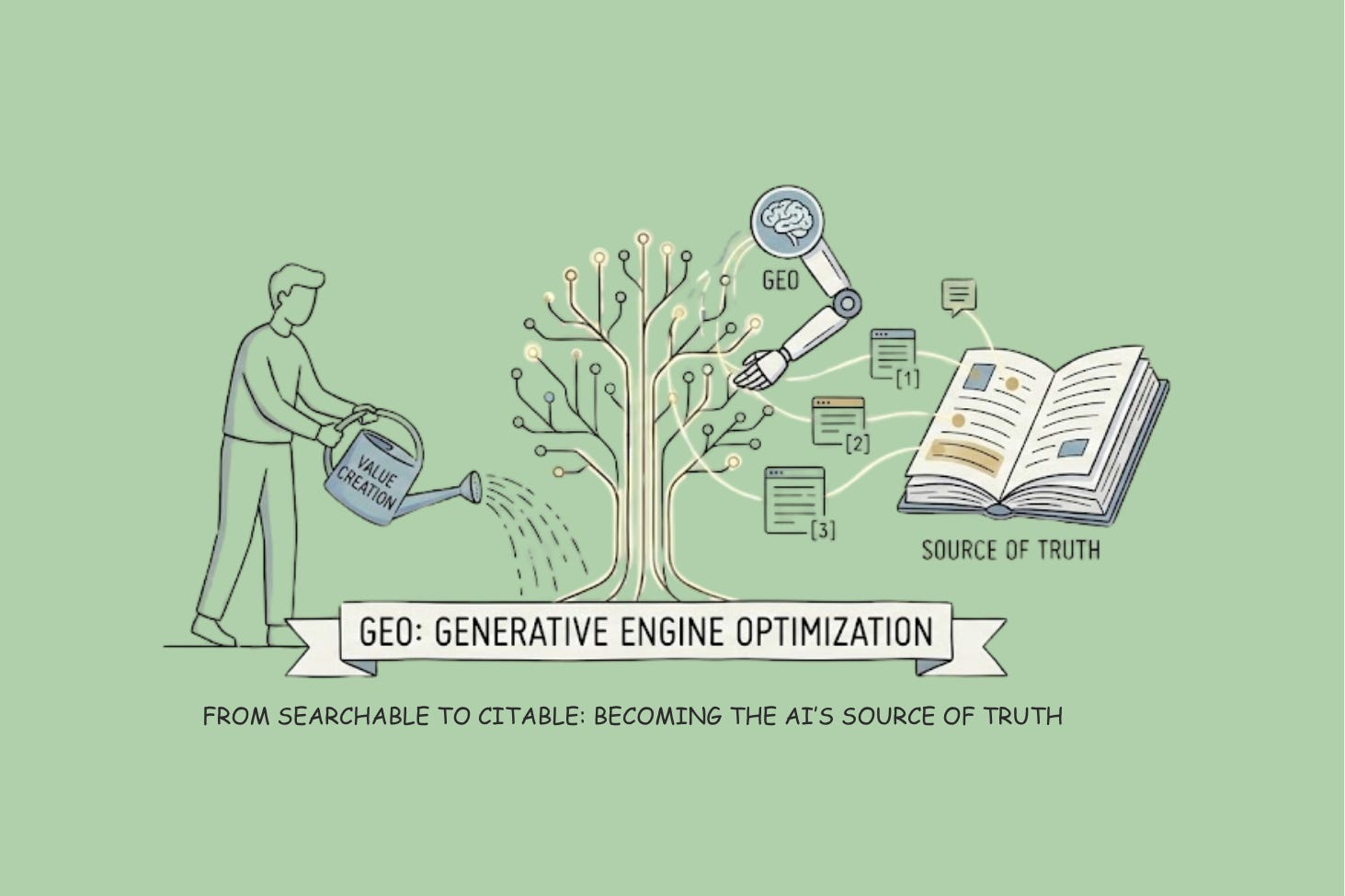
For small business owners and domain experts, the goal has moved far beyond simple ranking. To thrive in this new environment, you must be recognized as a “citable node” within the knowledge graphs of Large Language Models (LLMs) such as ChatGPT, Perplexity, Gemini, and SearchGPT. This transition has birthed the Citation Economy, an ecosystem where visibility is granted through mentions and synthesized recommendations rather than simple website traffic.
The architecture of the Mediation Gap
We are currently witnessing the death of the “click” as the primary currency of the web. As of 2025, data indicates that 58.5% of US Google searches result in zero clicks, with users receiving definitive answers directly from AI Overviews. For informational queries, this zero-click behavior is even more pronounced, with nearly 93% of AI search sessions ending without a website visit.
This has created what is known as the Mediation Gap. The AI engine now acts as an analyst rather than a librarian, providing a synthesized conclusion instead of a list of sources. While this results in lower overall traffic, the visitors who do cross the gap are 4.4 times more valuable than traditional organic traffic. By the time they click through to your site, the AI has already performed the heavy lifting of vetting your expertise.
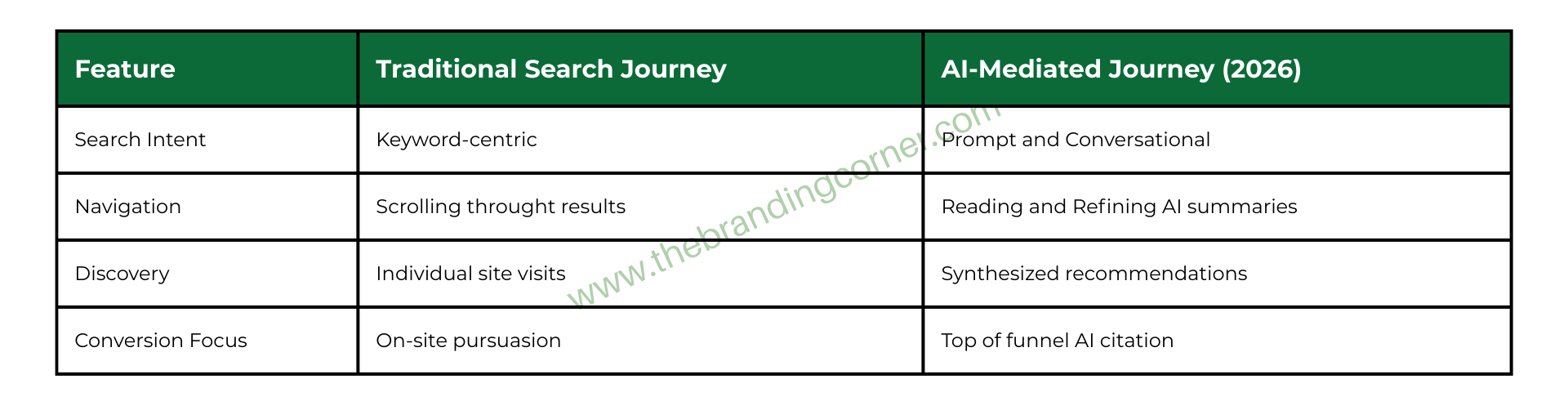
Generative Engine Optimization (GEO)
To bridge this gap, small businesses must adopt Generative Engine Optimization (GEO). Unlike traditional SEO, which relies on proxies for trust like backlink volume, GEO focuses on how AI models perceive authority through Retrieval-Augmented Generation (RAG). AI models segment content into semantic chunks scored on factual density and structural predictability.
Authority in this era is built upon three specific pillars:
Content structure: Ensuring your expertise is extractable through “Answer Capsules” and structured Q&A formatting.
Technical code: Using machine-readable formats like JSON-LD and
llms.txtto provide a roadmap for AI crawlers.External citations: Establishing digital consensus through mentions on high-trust platforms like Reddit and industry publications.
The Information Gain Moat
In the Citation Economy, generic content is a commodity with zero value. AI models prioritize content that provides Information Gain, including unique data, proprietary frameworks, or practitioner perspectives that do not exist in their baseline training data.
For a small business owner, your “moat” is built on original research and “Proof-of-Work” branding. When you name and define a unique process, you create a new entity in the AI’s knowledge graph. This forces the model to cite you as the primary source whenever a user inquires about that specific methodology.
To facilitate this, your content must follow the Inverse Pyramid structure for AI indexing:
The answer capsule: Lead with a direct, high-signal summary of 40-80 words at the very beginning of your content.
Key takeaways: Use 3-6 bulleted fact clusters to provide easily digestible data for the LLM to “lift” into its summaries.
Fact layers: Conclude sections with declarative statements that serve as certainty anchors for the model’s confidence scoring.
Case studies in AI Search Dominance
The transition to GEO is already producing measurable results for companies that have moved early.
Future Processing (B2B Authority): By shifting from traditional keyword targeting to a GEO framework, this technology solutions provider restructured its technical guides into “Answer Capsules”. This resulted in securing top 4 global mentions in LLM results for their core services and a 1.7x improvement in conversions from AI search traffic.
LS Building Products (AI Visibility): This company focused on “Answer-First” content and established topical authority through structured data. Within six months, they saw a 540% increase in mentions in Google AI Overviews and moved from zero visibility to a commanding presence in ChatGPT and Perplexity responses.
The Search Initiative (Technical AI SEO): By implementing multimodal content and detailed HTML tables, this team saw monthly AI referral traffic grow by 1,400%. This confirms that providing scannable, rich answers in multiple formats is a primary driver of modern citation.
The low budget GEO checklist
Dominating the Citation Economy does not require a massive team or a huge budget. Research shows that while Rank 1 sites in traditional SEO have seen visibility drops, niche experts and small businesses who optimize for GEO have seen visibility increases of up to 115%.
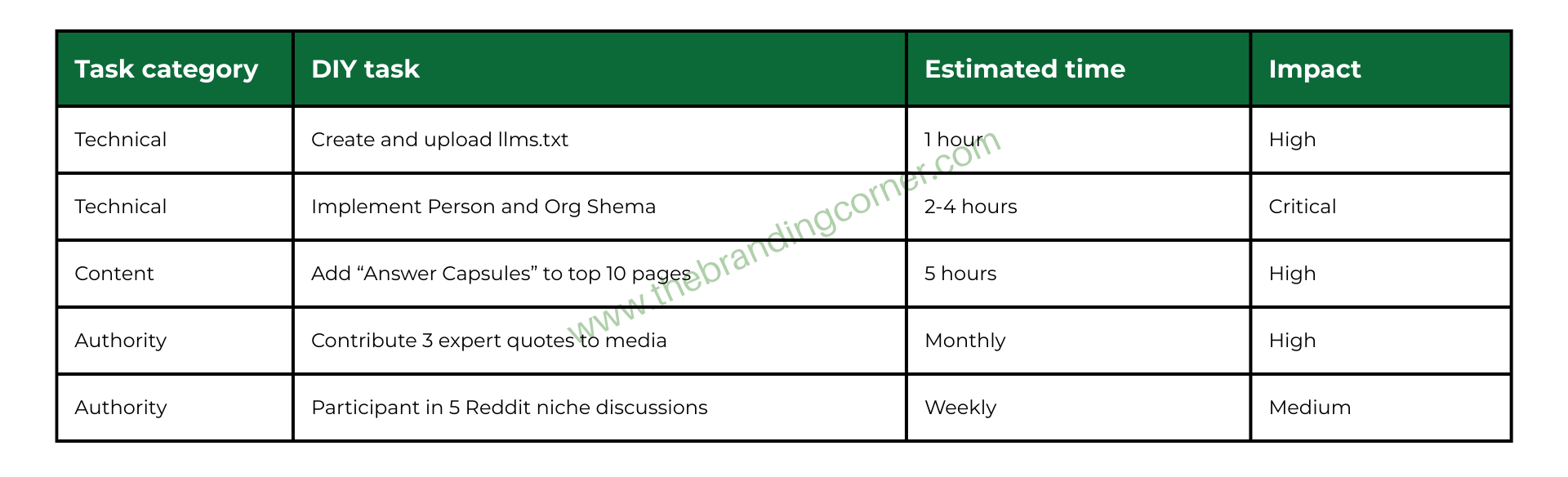
The trust dividend
As traditional clicks decline, trust becomes the primary metric of success. The 2025 Qualtrics Consumer Trends Report noted that 61% of consumers rank trust as the primary factor when engaging with brands. In the Citation Economy, your goal is to earn the respect of the audience within the AI interface itself.
The era of “being seen” was about volume, whereas the era of “being cited” is about value. By becoming a citable source of truth, you secure a position of enduring influence that transcends algorithm updates.
Conclusion
The shift to GEO is an opportunity for the democratization of authority. Because generative engines evaluate content quality directly rather than relying on backlink profiles, smaller businesses can compete by optimizing for clarity and structure. Success in 2026 requires a dual focus on human authenticity and machine clarity. If you are not part of the answer, you are effectively invisible.
Frequently Asked Questions (FAQ)
What is the “Clarity Tax” in GEO?
This refers to the penalty for content that is ambiguous or buried under excessive filler text. Substance must be surfaced early, or it becomes statistically less likely to appear in AI-generated answers.
How do I measure success in the Citation Economy?
Shift your KPIs from pure click volume to visibility metrics like Citation Frequency and Share of AI Voice.
Why is llms.txt important for independent experts?
This plain-text file serves as a curated roadmap for AI systems, making it easier for them to parse your most important assets without unnecessary computational friction.